Heated Seats Behind a Paywall: Ranking the Car Software That Respects You (and the Stuff That Doesn't)
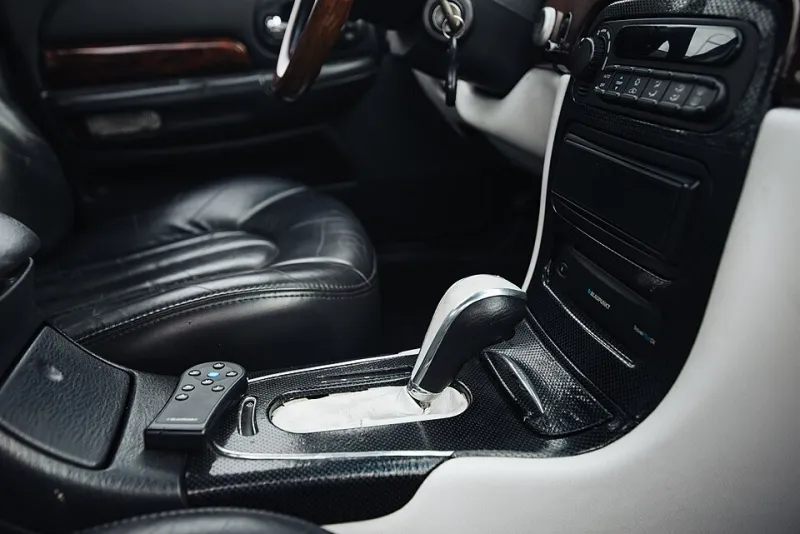
Photo: Shixart1985, CC BY 2.0, via Wikimedia Commons
Somewhere in the last five years, your car became a tablet with wheels. There's an operating system in there. It collects data. It wants your credit card. And whether you like it or not, the software in your dashboard now shapes your daily drive more than the engine does.
Some of this era is genuinely great. Some of it is a slow-motion heist. Let's rank it.
The Tier List, From Best to 'Come On'
S Tier: Rivian and Tesla (with an asterisk). Over-the-air updates that actually add features — better range, new drive modes, faster acceleration — overnight, for free. The asterisk: Tesla's all-touchscreen everything means adjusting a vent while driving requires the fine motor skills of a surgeon. But the software itself is fast, coherent, and improves with age.
A Tier: Hyundai/Kia/Genesis. Genuinely underrated. Wireless CarPlay and Android Auto standard, real physical buttons for the important stuff (climate, volume, defrost), and crisp screens that don't lag. They treat the software as a convenience, not a business model. More automakers should study this playbook.
B Tier: GM and Ford. Sync and GM's newer Google-built-in systems are capable, and hands-free driving tech like Super Cruise is legitimately impressive. But the interfaces are cluttered, and both companies have flirted with subscription features in ways that make buyers justifiably twitchy.
C Tier: Stellantis (Jeep, Ram, Chrysler). The hardware is fine. The software feels like it was designed by a committee that hates you. Menus within menus within menus, and a touchscreen response time that recalls a 2012 GPS unit.
D Tier: BMW and Mercedes. Beautiful screens, genuinely advanced voice assistants — wrapped around a business model that treats your car like a loot box. Which brings us to...
The Paywall Hall of Shame
BMW famously tried charging a monthly subscription for heated seats before public backlash made them retreat (they still subscription-charge for things like heated steering wheels in some markets). Mercedes offers an "Acceleration Boost" you can unlock with a payment. Various automakers now charge monthly for remote start, advanced driver assists, and even additional EV charging speed.
Here's the principle that keeps getting violated: if the hardware is installed in your car, and it works without a server, you bought it. Locking it behind a subscription isn't a service — it's holding your own purchases hostage.
What Actually Earns Its Place
Credit where due, some software in modern cars is legitimately wonderful:
- Wireless CarPlay and Android Auto. The single best feature in any modern car, full stop. Your phone's interface, on the big screen, no cables, no learning curve.
- Over-the-air updates done right. Fixing bugs and adding features without a dealership visit is a genuine quality-of-life revolution.
- Good voice assistants. Saying "navigate to the nearest coffee shop" while driving is safer than poking at a screen. When it works, it's magic.
- Digital key sharing. Letting your spouse or kid unlock the car with their phone beats hiding a key under a mat by roughly a thousand percent.
The Bottom Line
The software-defined car isn't going away, and honestly, a lot of it is good — safer, more capable, and improving over time. The fight worth having isn't against car software; it's against car software that charges rent on hardware you already bought.
Buy from companies that treat updates as a gift, not a revenue stream. Your dashboard — and your wallet — will thank you.