Five AI Assistants Tried to Plan My Dream Vacation — Here's Why I Still Ended Up on Google Flights
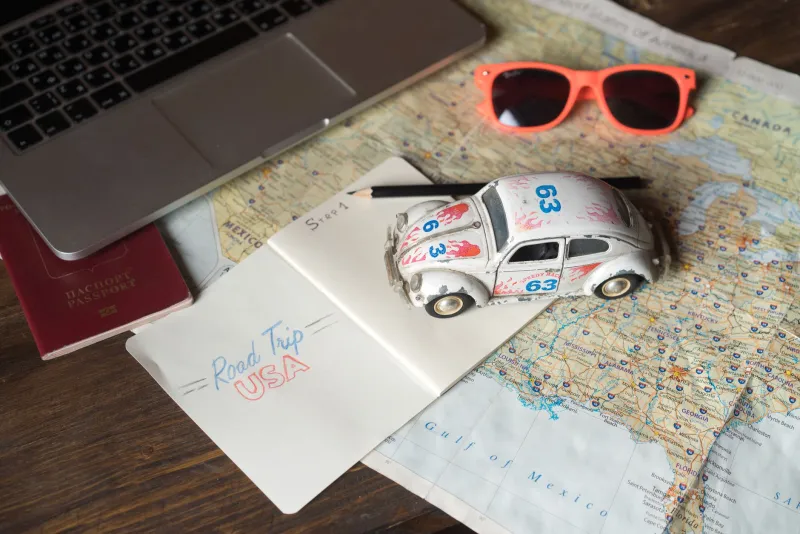
Let's be honest: travel planning is a mess. You've got seventeen browser tabs open, three different price comparison sites, a Reddit thread from 2022 that may or may not still be accurate, and a group chat where nobody can agree on anything. The promise of AI stepping in and just handling it sounds genuinely incredible. So we decided to actually test that promise — with real destinations, real budgets, and real stakes.
We gave five AI assistants the same trip brief: a ten-day trip to Portugal for two people, departing from Chicago, with a mid-range budget of around $4,000 (not counting flights), an interest in food and history, and a preference for avoiding the most tourist-clogged spots. The contenders were ChatGPT (GPT-4o), Claude (Sonnet), Gemini (Advanced), Perplexity AI, and a dedicated travel planning tool called Layla. Here's what we found.
The Brief Looked Simple. The Results Were All Over the Place.
Every assistant produced an itinerary. That part was easy. What separated them was the quality of those itineraries — and more importantly, whether the information was actually usable when we started cross-referencing it against the real world.
ChatGPT gave us a solid, well-structured plan with a logical flow between Lisbon, Sintra, the Alentejo region, and Porto. The recommendations were good. The problem? When we tried to verify specific restaurant picks and guesthouse suggestions, roughly a third of them were either permanently closed, had dramatically changed their vibe, or simply didn't match the description given. ChatGPT's knowledge cutoff is a real issue here, and it doesn't always flag when it's working from potentially stale data.
Claude was notably more careful. It regularly reminded us that it couldn't confirm real-time availability or current pricing, which is both honest and slightly frustrating when you just want answers. Its itinerary had a more thoughtful narrative arc — it actually asked clarifying questions before diving in, which felt more like working with a knowledgeable friend than querying a database. The hidden gem suggestions were genuinely interesting (a specific ceramics workshop in Lisbon's Mouraria neighborhood, for instance). But again, verification was on us.
Gemini Played It Safe. Maybe Too Safe.
Gemini's output felt the most polished on the surface — clean formatting, nice breakdown of costs, helpful day-by-day structure. But it leaned heavily toward the obvious choices. Belém Tower? Check. Pastéis de Belém? Obviously. Douro Valley wine tour? Of course. There's nothing wrong with any of that, but if your goal is to find the stuff that doesn't show up on every listicle, Gemini wasn't the move. It's a strong starting point for first-time travelers who want a reliable greatest-hits tour, but for anyone who's done even moderate travel research, it felt a little like getting recommendations from a very enthusiastic travel brochure.
Gemini did have one clear advantage: its integration with Google's ecosystem. It could pull in flight search suggestions and link out to Maps in a way the others couldn't, which made it feel more like a connected tool rather than a standalone chatbot.
Perplexity Was the Research Nerd of the Group
If you haven't used Perplexity for travel research, it's worth trying — with caveats. Unlike the others, it actively searches the web and cites its sources, which means you can actually verify where the information is coming from. For things like current visa requirements, entry rules, and recent traveler reports, it was easily the most reliable of the bunch.
Where it fell short was in the creative, opinionated side of planning. It gave us information more than inspiration. The itinerary it produced read more like a research report than a trip someone was actually excited about. Great for fact-checking. Less great for the "where should we actually eat on our anniversary dinner" question.
Layla Was the Most Fun — and the Most Limited
Layla is built specifically for travel, and it shows. The conversational interface is genuinely enjoyable to use, and it does a better job than the general-purpose tools at staying in travel-planning mode without veering off into tangents. It connected to some live data for hotel and flight searches, which is a real differentiator.
But its knowledge depth outside of major tourist corridors dropped off noticeably. When we pushed into more specific regional requests — smaller towns in the Alentejo, niche food experiences — it got vague in a way the bigger models didn't. It's a great tool for mainstream trip planning. For the adventurous or detail-obsessed traveler, it's not quite there yet.
So Where Do They All Fall Apart?
Here's the core problem with using AI for vacation planning right now: the moment real money enters the equation, the gaps get expensive.
None of these tools could reliably confirm current hotel pricing. None of them could tell us whether that small guesthouse was still taking bookings or had converted to a private rental. None of them could catch a flight price spike or alert us that a specific festival we'd built our trip around had moved dates. Travel is one of those domains where outdated information doesn't just waste your time — it can waste your money and wreck a trip you've been looking forward to for months.
For budget optimization specifically, every tool made rough estimates that we had to manually verify through Kayak, Google Flights, and Booking.com anyway. The AI-generated budget was a useful ballpark, not a usable plan.
The Part That Actually Impressed Us
We don't want to be too harsh, because there were genuine bright spots. Claude's ability to synthesize our preferences into a coherent travel philosophy — not just a list of stops, but a sense of how to travel through a place — was genuinely useful. ChatGPT's packing list and neighborhood safety notes were practical in ways we didn't expect. Perplexity saved us from several outdated pieces of conventional wisdom we'd taken for granted.
Used as a brainstorming layer on top of traditional research, these tools add real value. The problem is that most of them are being marketed as replacements rather than supplements, and that framing sets up unrealistic expectations.
The Verdict
If you're planning a trip right now, here's our honest recommendation: use AI early and use it often — for inspiration, for building a rough framework, for asking the questions you didn't know to ask. Claude and Perplexity are our picks for the most genuinely useful, for different reasons. But when it's time to actually book something, you're still going to want Google Flights open in another tab, a recent Reddit thread from r/travel, and maybe a quick call to the hotel to confirm they're actually still in business.
The dream of AI replacing travel planning wholesale isn't here yet. What we have right now is a really good research assistant with an occasionally unreliable memory and no access to your credit card — which, honestly, might be for the best.