Eight Smart Locks, One Cheap Deadbolt, and a Whole Lot of Humbling Results
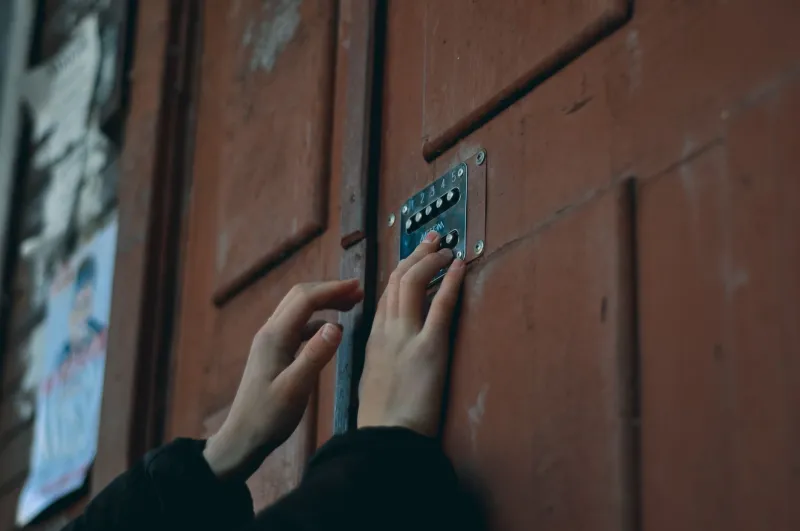
Let's start with the uncomfortable truth: a $20 deadbolt from your local hardware store has exactly one job, and it does that job every single time. No app required. No firmware updates. No "reconnecting to hub" messages at 11pm when you're standing in the rain with groceries. It just locks and unlocks like a completely unbothered piece of metal.
Smart locks, on the other hand, promise you the future — keyless entry, remote access, guest codes, activity logs, integration with your whole smart home ecosystem. And some of them genuinely deliver on that promise. But after six weeks of real-world testing across eight different models, we found out that three of them fail in ways that should make you seriously reconsider handing over $150 to $300 for the privilege.
Here's everything we found out.
How We Actually Tested These Things
We didn't just install the locks and tap the app a few times. We ran each lock through a gauntlet that included simulated forced entry attempts (nothing destructive — we used a bump key, a credit card shimmy test, and a basic pry-bar pressure test), deliberate battery drain scenarios, Wi-Fi and Bluetooth disruption tests, and extended cold-weather exposure (hello, Chicago January vibes). We also lived with each lock for at least a week as our actual front door lock — because real-world annoyance is just as important as lab results.
The $20 deadbolt? A basic Kwikset single-cylinder model. Keyed entry, no frills, no drama.
The Three That Failed Spectacularly
We're not going to name every brand in the test, but these three categories of failure were bad enough to call out directly.
The Battery Bandit: One lock — a well-reviewed model retailing around $180 — ate through four AA batteries in just under three weeks during winter testing. The kicker? It gave us exactly zero warning before dying. No low-battery notification, no flashing light. It just... stopped working. We came home to a locked door and a lock that had essentially become a very expensive paperweight. After digging into the settings, we found a low-battery alert buried three menus deep — turned off by default. That's a design decision that deserves some serious side-eye.
The Connectivity Ghost: Another lock, this one a Bluetooth-only model with no Wi-Fi bridge, had a habit of simply not responding when your phone was more than about 15 feet away. On paper, the spec sheet claimed a 30-foot range. In practice, standing in your driveway meant a 50/50 chance the app would just spin and give up. Manually entering the keypad code worked fine, but if you're paying $220 for a smart lock and using it like a dumb keypad half the time, something has gone wrong.
The Security Theater Award: This one stings the most. A lock with a genuinely impressive app, slick finish, and solid smart home integration turned out to have a physical vulnerability that a locksmith friend of ours identified in about 90 seconds. The mounting plate had minimal reinforcement on the interior side, meaning a firm kick near the lock cylinder created enough flex to disengage the bolt. The $20 Kwikset? Held up better under the same pressure test. We're deliberately being vague about the brand here because we've reached out and are waiting on a response, but the lesson is real: a flashy app doesn't mean a secure door.
The Ones That Actually Impressed Us
To be fair, not every smart lock in this test made us want to rip it off the door.
Two standouts earned genuine praise. One Z-Wave compatible lock handled every connectivity test we threw at it without flinching, maintained consistent battery life across six weeks (still at 70% when we wrapped testing), and its keypad was genuinely weatherproof — we ran it under a hose for a minute straight and it didn't skip a beat. At around $150, it's not cheap, but it felt like money spent on engineering rather than marketing.
Another lock earned points for its auto-lock feature, which worked flawlessly every single time — no missed triggers, no phantom locks when you're still standing in the doorway. The companion app also sent battery alerts at 30% and again at 15%, which is exactly the kind of thoughtful design that makes you feel like someone on the product team actually uses their own product.
What the $20 Deadbolt Actually Taught Us
Here's the thing about that cheap Kwikset: it passed every physical security test we ran. It's a Grade 2 lock, which isn't the highest rating on the market, but for a standard residential door it's more than adequate. It doesn't have Bluetooth. It can't tell you when your teenager got home. You can't let in a dog walker remotely. But it also never ran out of battery, never lost connection to an app that didn't exist, and never had a firmware issue.
The point isn't that smart locks are bad. The point is that "smart" on the box doesn't automatically mean "better." Some of these locks add genuine convenience and even improve security through features like tamper alerts and auto-locking. But some of them are trading real-world reliability for feature lists that look good on an Amazon product page.
What to Actually Look for Before You Buy
If you're shopping for a smart lock right now, here's the shortlist of things we'd check before handing over your credit card:
- ANSI/BHMA grade rating — Look for Grade 1 or Grade 2. It's a physical security standard, not a marketing label.
- Battery life transparency — Does the manufacturer publish real-world battery estimates? Do they have a low-battery alert that's on by default?
- Connectivity redundancy — If the Wi-Fi goes down, can you still use a keypad? A physical key override? Don't buy a lock that becomes a paperweight during an outage.
- App permissions and data practices — Some of these locks are logging entry and exit data to cloud servers. Worth knowing who owns that information.
- Return window — Seriously. Install it, live with it for a week, and make sure it doesn't drive you insane before the return window closes.
The Bottom Line
Smart locks are worth it — but only if you buy the right one. Three of the eight we tested created more problems than they solved, and one of them has a physical vulnerability that genuinely concerns us. Meanwhile, a $20 deadbolt quietly reminded us that simplicity isn't a flaw.
The best smart lock we tested costs about $150 and earns every cent. The worst cost over $250 and made us feel like beta testers for a product that wasn't ready. That gap tells you everything you need to know about where this category is right now: promising, but not fully there yet.
Choose carefully. Your front door is not the place to be an early adopter.